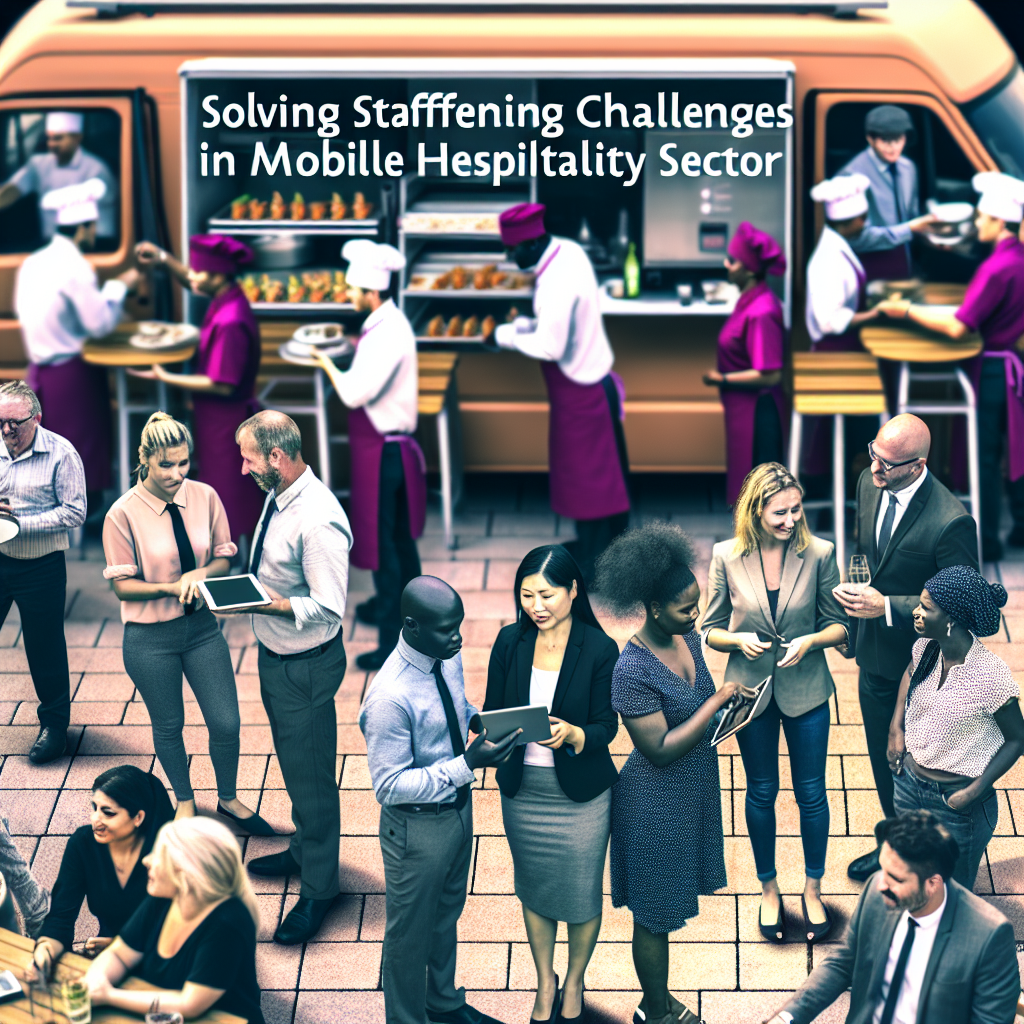

Understanding Staffing Challenges in the Mobile Hospitality Sector
In the ever-evolving mobile hospitality sector, businesses face unique challenges when it comes to staffing. From finding qualified candidates to retaining top talent, staffing remains a critical issue for many organizations. Understanding the root causes of these challenges is the first step towards finding effective solutions.
The Impact of Seasonality and High Turnover Rates
One of the key challenges in the mobile hospitality sector is the seasonality of the business. During peak seasons, businesses often struggle to find enough staff to meet the increased demand. Additionally, high turnover rates can further exacerbate the problem, leading to frequent recruitment and training cycles.
Skills Mismatch and Training Needs
Another common staffing challenge in the mobile hospitality sector is the skills mismatch between available candidates and the specific requirements of the job. Employers often find it challenging to source candidates with the right mix of technical skills, soft skills, and industry knowledge. Addressing these skills gaps through targeted training programs is essential to building a skilled workforce.
Work-Life Balance and Employee Retention
Maintaining a healthy work-life balance is crucial for employee retention in the mobile hospitality sector. Long and irregular hours, as well as the physically demanding nature of the job, can lead to burnout and high staff turnover. Offering flexible schedules, competitive wages, and benefits can help retain talent and build a loyal workforce.
Implementing Solutions for Sustainable Staffing
Overcoming staffing challenges in the mobile hospitality sector requires a proactive approach and strategic solutions. By implementing the following measures, businesses can build a strong and sustainable workforce:
Investing in Recruitment and Training Programs
- Developing partnerships with educational institutions and industry associations to attract and train new talent
- Providing ongoing training and development opportunities to upskill existing staff and address skills gaps
Improving Work Conditions and Employee Benefits
- Offering competitive wages, incentives, and benefits to attract and retain top talent
- Promoting a healthy work-life balance through flexible schedules and wellness programs
Building a Diverse and Inclusive Workforce
- Creating a culture of diversity and inclusion to attract a wide range of candidates and foster innovation
- Implementing policies and practices to ensure equal opportunities for all employees
Conclusion
In conclusion, staffing challenges in the mobile hospitality sector are multifaceted and require a tailored approach to address. By understanding the unique dynamics of the industry, investing in recruitment and training programs, and prioritizing employee well-being, businesses can build a resilient workforce that is equipped to meet the demands of the fast-paced mobile hospitality sector.